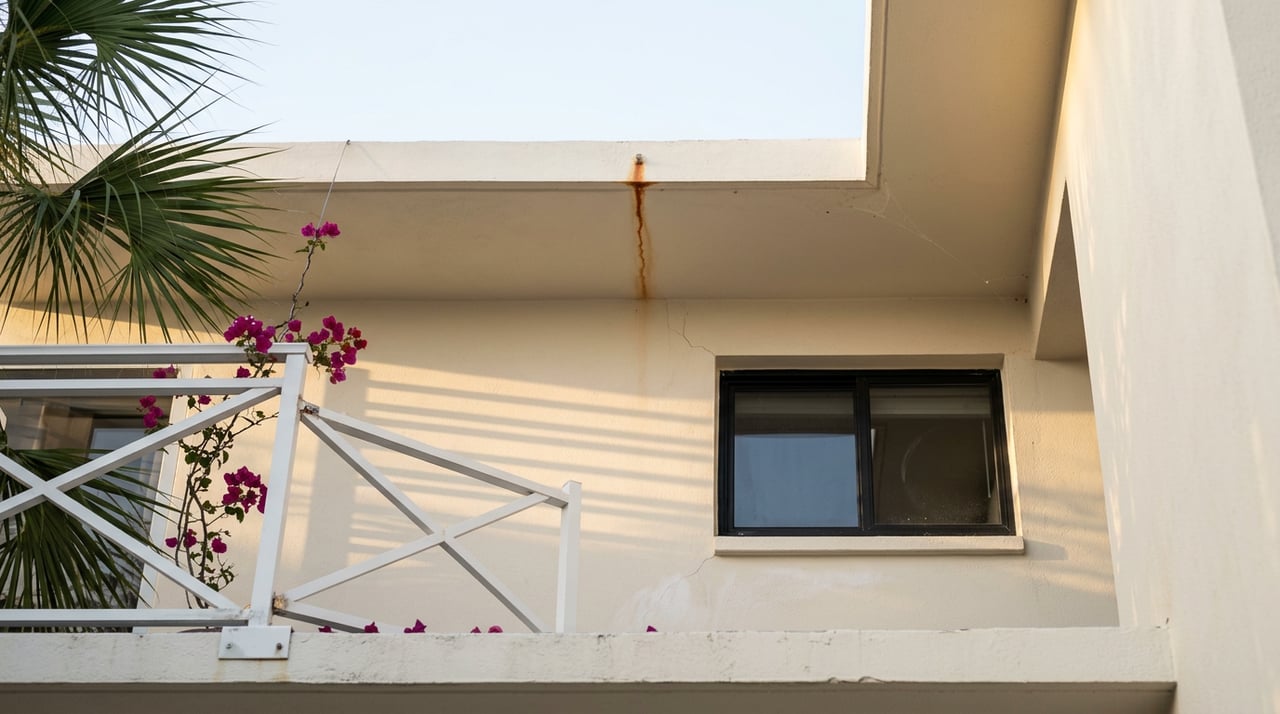
Jacksonville Beach wrote its own rule about when these findings start arriving, and it moved the clock five years earlier than the rest of Florida.
The City Moved the Goalposts to 25
Florida's statewide default for a condo milestone inspection is 30 years from the certificate of occupancy, with a follow-up every 10 years after that. The City of Jacksonville Beach did not adopt that default. According to the city's own building department, every building within city limits sits within three miles of the Atlantic, and the city used that fact to set its local trigger at 25 years of age, not 30. Buildings that were occupied on or before July 1, 1992 were required to complete their initial inspection by December 31, 2024, a deadline that has already come and gone.
Run the math forward from today. If the trigger is 25 years, a building that received its certificate of occupancy in 2001 crosses that line in 2026. That means the pool of buildings currently inside the inspection window in Jacksonville Beach is not limited to the handful of 1970s and 1980s towers most buyers assume are the only ones at risk. Anything finished through the early 2000s is already on the clock, or about to be.
| Statewide default | Jacksonville Beach | |
|---|---|---|
| Age at first inspection | 30 years | 25 years |
| Repeat cycle | Every 10 years | Every 10 years |
| Who set the trigger | Florida Statute 553.899 | City building department, citing coastal proximity |
| Deadline for pre-1992 buildings | N/A | December 31, 2024 |
That last row is the one worth sitting with. It is not a future deadline. It is a deadline in the rearview mirror, which means the findings from those inspections already exist in board files today.
Four Names, One Summer, and What Happened Next
The city did not wait for a statewide mandate to start asking questions. After the Champlain Towers South collapse in 2021, Jacksonville Beach's Fire Marshal, Steve Sciotto, contacted the management of four high-rises in the city. They were: Pelican Point Condominiums, built in 1982; Pablo Towers Apartments, built in 1973; Ocean 14 Condominiums, built in 1976; and Seascape Condominiums, built in 1974. Officials requested each building's most recent structural engineering report and found no signs of deterioration at the time, according to News4Jax's reporting from that summer.
As News4Jax reported, Ocean 14's own board had already started a multi-year concrete restoration project before Surfside made national news, using material contractors described as roughly ten times harder than what was originally poured in the 1970s. The building's board director at the time told News4Jax what went through his mind when he heard about the collapse:
"My heart stopped."
That was five years ago, before the state had even written milestone inspections into law. Those four buildings are exactly the ones that later fell under the pre-1992 deadline: each was required to complete its first official milestone inspection under the new rule by December 31, 2024. Ocean 14's current listing shows what a restoration project on a building of that vintage actually costs an individual owner once the bill comes due.
Why a 2024 Finding Becomes a 2026 Bill
Here is the part that turns a structural finding into a check written by a unit owner. Until recently, a condo association that received a Structural Integrity Reserve Study identifying a shortfall had an option: unit owners could vote to waive or reduce the required reserve funding and stretch the cost out, or skip it entirely for another year. That option ended for budgets adopted on or after January 1, 2025, and as of January 1, 2026, associations are required to fully fund the eight SIRS-mandated structural categories with no waiver available, according to the Florida Department of Business and Professional Regulation's guidance for condominium associations.
Line that up with the timeline in Jacksonville Beach. Every pre-1992 building in the city, the same cohort that includes Pelican Point, Pablo Towers, Ocean 14, and Seascape, had its engineering findings in hand by the December 31, 2024 deadline, right around the time the reserve-funding grace period was closing. The reports could identify corrosion, waterproofing failure, or aging fire protection, with resulting costs for the association. That is why assessments tied to milestone findings are showing up in active listings now instead of sitting as a hypothetical line in a future board agenda.
What That Median Price Actually Buys Right Now
As of August 9, 2026, oceanfront and ocean-view condos in Jacksonville Beach carried a median list price of $775,000 across 64 active listings, with recent MLS-recorded sales showing a median sold price of $835,000 across 24 closings. Those numbers describe what is for sale. They do not describe what a buyer is actually taking on.
Two units at the same $700,000 price point in two different buildings can carry very different exposure depending on where each association sits in its inspection and funding cycle. A building that completed its SIRS in 2023 and has been funding reserves accordingly for three years looks nothing like a building that just received its first mandatory-funding budget this year and is still catching up on decades of underfunded reserves. The purchase price tells you what the seller wants. The reserve study tells you what you are actually buying into.
What to Ask For Before the Inspection Contingency Expires
Before writing an offer on any Jacksonville Beach condo three stories or taller, request these documents directly from the association, not just the listing agent:
- The most recent milestone inspection report, including whether the building has moved to a Phase Two inspection and what that found.
- The current Structural Integrity Reserve Study, including its funding schedule for each of the eight mandated components.
- A comparison of the association's actual reserve balance against what the SIRS recommends it should be.
- Two years of board meeting minutes, specifically looking for any past vote to waive or reduce reserve funding.
- Current insurance declarations pages for both wind and flood coverage, since carriers are increasingly pricing coastal buildings based on SIRS compliance.
None of this kills a deal by itself. A building with a clean report and fully funded reserves is exactly what you want to find. The risk is in not asking, and finding out the answer at the closing table instead of before you write the offer.
Frequently Asked Questions
If a building already completed its milestone inspection, does that mean it's safe to buy into? A completed inspection tells you the building was structurally reviewed as of that date. It does not tell you whether the reserve funding to address anything the inspection found is actually in place. Ask for both documents together.
Does a condo built after 2000 skip this process in Jacksonville Beach? Not for long. Because the city's local trigger is 25 years rather than the statewide 30, buildings finished through the early 2000s are already inside the inspection window or approaching it, even though they read as newer construction.
Whether you're comparing a 1970s tower against a turn-of-the-century building, or trying to figure out what a specific association's reserve position actually means for your offer, this is exactly the kind of document review The Real Jacksonville walks through with buyers before a contingency clock runs out. Schedule a consultation and let's pull the paperwork together before you write the number.
This article is general information, not legal, tax or financial advice. Consult a qualified professional about your situation.